How Moles Disrupt Root Systems and Landscape Drainage
Yard mole removal experts can help prevent moles from damaging root systems and disrupting landscape drainage by safely eliminating these pests.
Understanding how moles disrupt root systems and landscape drainage is essential for property owners looking to maintain healthy lawns and gardens. Moles tunnel beneath the surface, creating networks of underground pathways that can weaken plant roots and disturb the soil structure. This activity often leads to uneven ground, poor drainage, and even damage to underground irrigation or utility lines. For those managing large yards, gardens, or landscaped areas, recognizing these signs early can prevent more extensive issues down the line. Local contractors specializing in yard mole removal have the experience to assess the extent of the disruption and recommend effective solutions to restore a healthy landscape.
Property owners in the area who notice unusual mole activity or signs of soil instability might consider exploring yard mole removal services. Moles can cause significant disruption to root systems and landscape drainage, impacting plant health and soil integrity. Engaging with experienced local service providers ensures that mole activity is managed properly, helping to protect the landscape’s structure and drainage capabilities. Keep reading to learn more about how moles affect your yard and how local pros can help address these underground challenges effectively.
- Common Projects Services - Homeowners noticing uneven ground or damaged roots may need mole removal to protect landscape integrity, with local contractors employing targeted trapping or exclusion methods.
- Common Projects Services - When moles create tunnels that disrupt drainage systems and cause water pooling, service providers can implement trapping or habitat modification to restore proper drainage.
- Common Projects Services - Soil aeration and root system preservation become necessary if moles threaten the health of trees or shrubs, with local pros using humane removal techniques.
- Common Projects Services - Landscaping issues such as mounded soil or compromised plant stability often indicate mole activity, prompting local contractors to carefully remove moles and prevent further damage.
- Common Projects Services - If underground drainage pipes are shifting or breaking due to mole tunneling, specialists can address the problem through mole removal and landscape repair efforts.
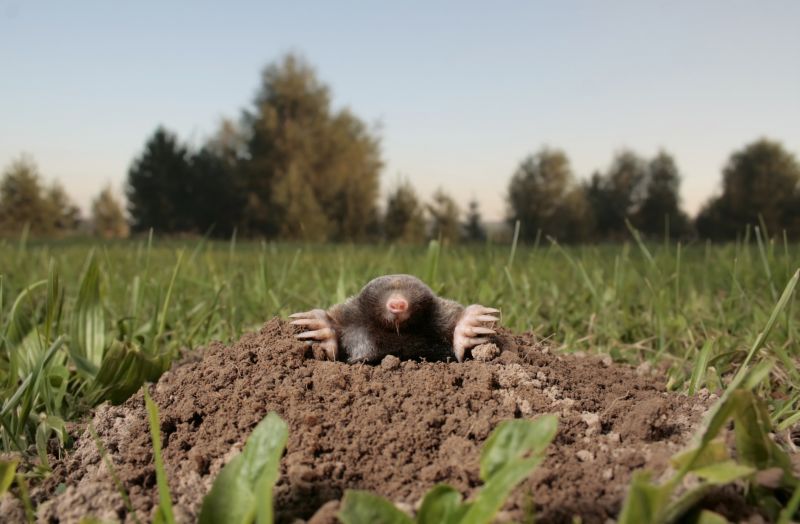
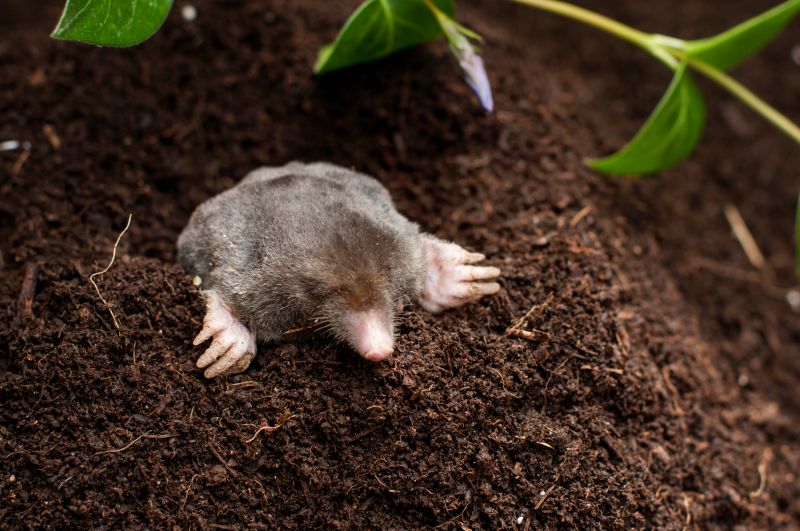
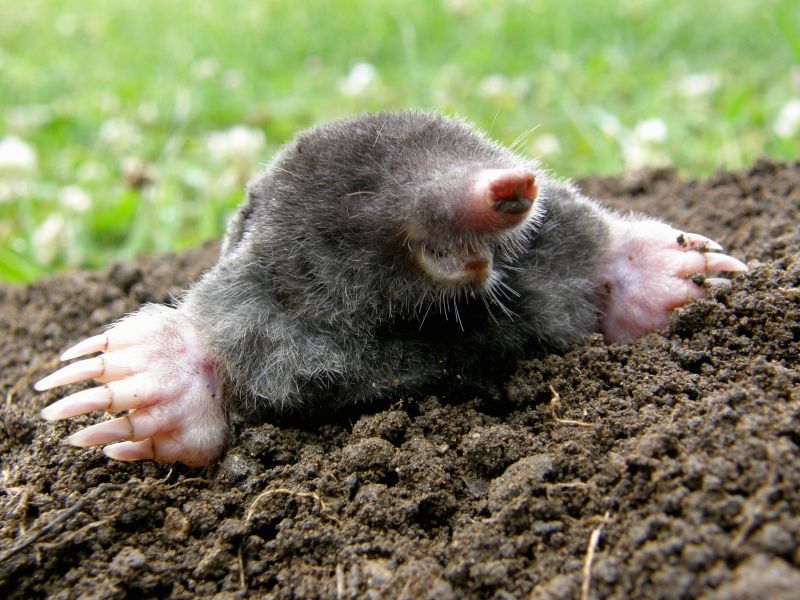
When people search for information about how moles disrupt root systems and landscape drainage, they are usually trying to understand the impact these small burrowing animals can have on their property’s health and appearance. Moles create extensive underground tunnel systems that can interfere with the roots of trees, shrubs, and other plants. Homeowners often notice signs like wilting or dying plants, uneven ground, or new molehills appearing in their yard. This search typically relates to concerns about maintaining a healthy landscape, preventing property damage, and finding effective ways to manage mole activity before it causes further issues.
The problems associated with how moles disrupt root systems and landscape drainage are often connected to the overall stability and functionality of a property’s outdoor space. Moles tunnel through soil in search of insects, but their activity can loosen and damage plant roots, making trees and shrubs more vulnerable to stress and disease. Additionally, their extensive underground networks can interfere with the natural flow of water, leading to poor drainage, pooling, or erosion. Homeowners planning landscaping projects or trying to restore damaged lawns frequently encounter these issues, prompting them to seek professional help to address the root cause of the problem.
Properties most affected by mole activity tend to include residential yards with mature trees, gardens, or landscaped lawns, especially those with moist or loose soil that makes tunneling easier. Areas with abundant insect populations or organic matter in the soil are also attractive to moles. Larger properties with extensive lawns or gardens may experience more noticeable disruptions, but even smaller yards can suffer if mole activity is intense. Homeowners who are working on landscape restoration, planting new trees, or trying to improve drainage often find that mole activity complicates their plans, making it important to consult with service providers who specialize in mole removal and property protection.
Local contractors who handle yard mole removal are equipped to assess the extent of mole activity and its impact on root systems and drainage. They can implement targeted removal strategies to reduce tunneling and prevent further damage. These professionals often recommend integrated approaches that include trapping, habitat modification, or exclusion methods to keep moles away from critical landscape features. Connecting with experienced service providers helps homeowners protect their plants, improve drainage, and maintain a healthy, stable yard. Understanding how moles disrupt root systems and landscape drainage highlights the importance of professional assistance in managing this common yard concern effectively.
Landscape Drainage Projects - local contractors can design and install effective drainage systems to prevent water disruption caused by mole activity and root damage.
Tree Root Removal Services - professionals skilled in removing invasive roots can help protect underground systems from disruption due to mole burrowing and root intrusion.
Soil Aeration and Soil Management - specialists can improve soil health and structure, reducing the impact of mole tunnels on root stability and drainage pathways.
Gopher and Pest Control Services - local pest control providers often handle mole trapping and prevention, addressing the source of root and drainage issues.
Garden and Lawn Restoration - experts can repair lawns damaged by mole activity, restoring root systems and preventing future soil instability.
Underground Utility Location - professionals can locate underground pipes and cables to avoid damage during mole removal and landscape repair projects.
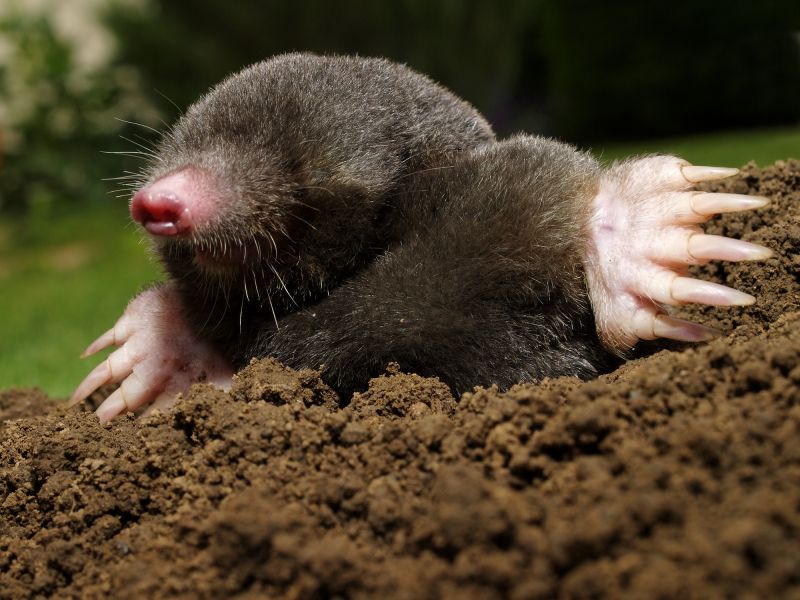
When comparing service providers for yard mole removal, it’s important to consider their experience with similar projects involving root systems and landscape drainage. A contractor’s familiarity with how moles disrupt these systems can influence the effectiveness of their approach. Homeowners should inquire about the types of properties they have worked on and whether they have handled issues related to mole activity impacting landscape health and drainage. An experienced professional will understand the nuances of how mole tunnels can undermine roots and cause drainage problems, leading to more informed and targeted solutions.
Clear written expectations are essential when evaluating potential service providers. Homeowners should seek detailed descriptions of the scope of work, including the methods used for mole removal and any follow-up steps to prevent future activity. Well-defined expectations help ensure that both parties are aligned on what will be done and what results can be reasonably anticipated. This clarity also makes it easier to compare different contractors and assess which ones are transparent about their processes and capabilities, ultimately supporting a smoother project experience.
Reputable references and effective communication are key factors in selecting a reliable yard mole removal service. Homeowners should ask for references or examples of past projects that demonstrate the contractor’s ability to resolve issues related to moles disrupting root systems and landscape drainage. Good communication-such as responsiveness to questions and clarity in explanations-can make the process more straightforward and less stressful. Choosing a service provider with a solid track record and open dialogue helps ensure that concerns are addressed promptly and that the work aligns with the homeowner’s expectations.
Property owners often search for how moles disrupt root systems and landscape drainage when they are planning practical projects around their homes and businesses. Local pros provide Yard Mole Removal services for everyday jobs and straightforward project options.
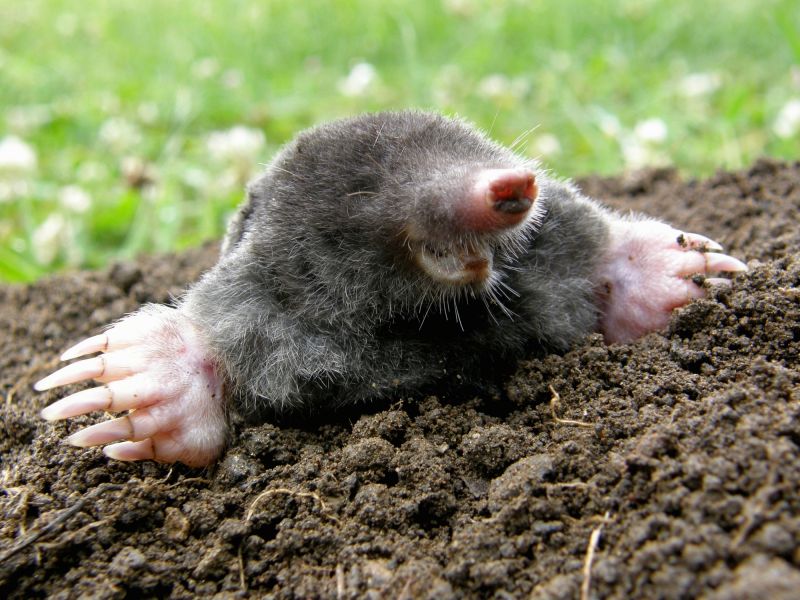
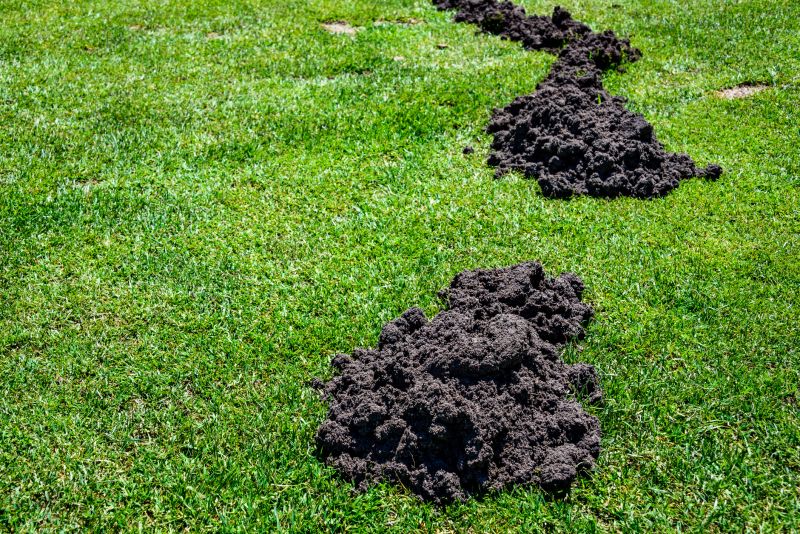
Moles can cause noticeable disruptions to a property's landscape, especially when their tunneling activities interfere with root systems and drainage pathways. When moles burrow beneath the surface, they create extensive underground networks that can weaken plant roots, making trees and shrubs more vulnerable to stress or disease. Additionally, these tunnels can alter the natural flow of water across a yard, leading to poor drainage and areas of standing water that may damage landscaping or promote soil erosion. Property owners noticing uneven ground, mounded soil, or increased pest activity might find it helpful to seek out local contractors experienced in yard mole removal to address these issues effectively.
Engaging with experienced service providers can help restore the health of a landscape affected by mole activity. Local pros can evaluate the extent of tunneling and root disruption, then implement targeted removal strategies to control mole populations. Proper removal not only reduces ongoing damage but also helps prevent future disturbances to root systems and drainage patterns. Property owners concerned about the long-term stability of their yard or the health of their plants might consider consulting local contractors who specialize in yard mole removal services for a practical solution.
How do moles disrupt root systems and landscape drainage? Moles create tunnels that can disturb the natural structure of plant roots and block underground water flow, leading to poor drainage and potential damage to the landscape's stability.
What signs indicate moles are affecting my yard's drainage? Signs include raised ridges, molehills, and soggy areas or standing water, which may result from disrupted soil and compromised underground water pathways caused by mole activity.
Can removing moles help restore my landscape’s drainage and root health? Yes, professional yard mole removal can reduce tunnel activity, helping to stabilize soil, protect root systems, and improve water flow in the landscape.
Why should I consider hiring local contractors for mole removal? Local contractors have experience with the specific types of mole activity common in the area and can implement effective removal methods to minimize disruption to your yard.
What methods do service providers use to address mole-related root and drainage issues? They often use trapping, habitat modification, and other humane removal techniques to eliminate moles and prevent further disruption of root systems and drainage pathways.
Understanding mole activity - property owners can learn to identify signs of mole activity that may be damaging root systems and causing drainage issues, leading to more effective removal strategies with local contractors.
Monitoring landscape changes - observing uneven ground or raised tunnels can help identify areas where moles are disrupting underground root structures and drainage pathways, prompting timely professional intervention.
Implementing preventative measures - property owners can explore landscaping adjustments or barriers that discourage moles from burrowing near valuable plants and drainage systems, with guidance from local service providers.
Scheduling professional removal - recognizing when mole activity affects root health or drainage can lead property owners to seek expert removal services that restore landscape stability and prevent further disruption.
If you are thinking about how moles disrupt root systems and landscape drainage for a property, this guide is meant to help you understand this topic, the typical project types, and how different options might fit your plans.
When you are ready, you can use the quote form on this page to share a few details about your project. From there, local pros can review the basics and follow up with options that match what you have in mind.